Aspect Ratio Guide: How to Choose the Best Format for Photos & Videos
Discover how to choose the best aspect ratio for photos and videos. Learn which option highlights your story and emotions best.
Aspect Ratio: How to Choose the Right Frame Format
An aspect ratio is more than just a technical parameter it’s a creative tool that sets focus, rhythm, and mood. The proportions you choose determine how your frame is perceived and what emotions it evokes.
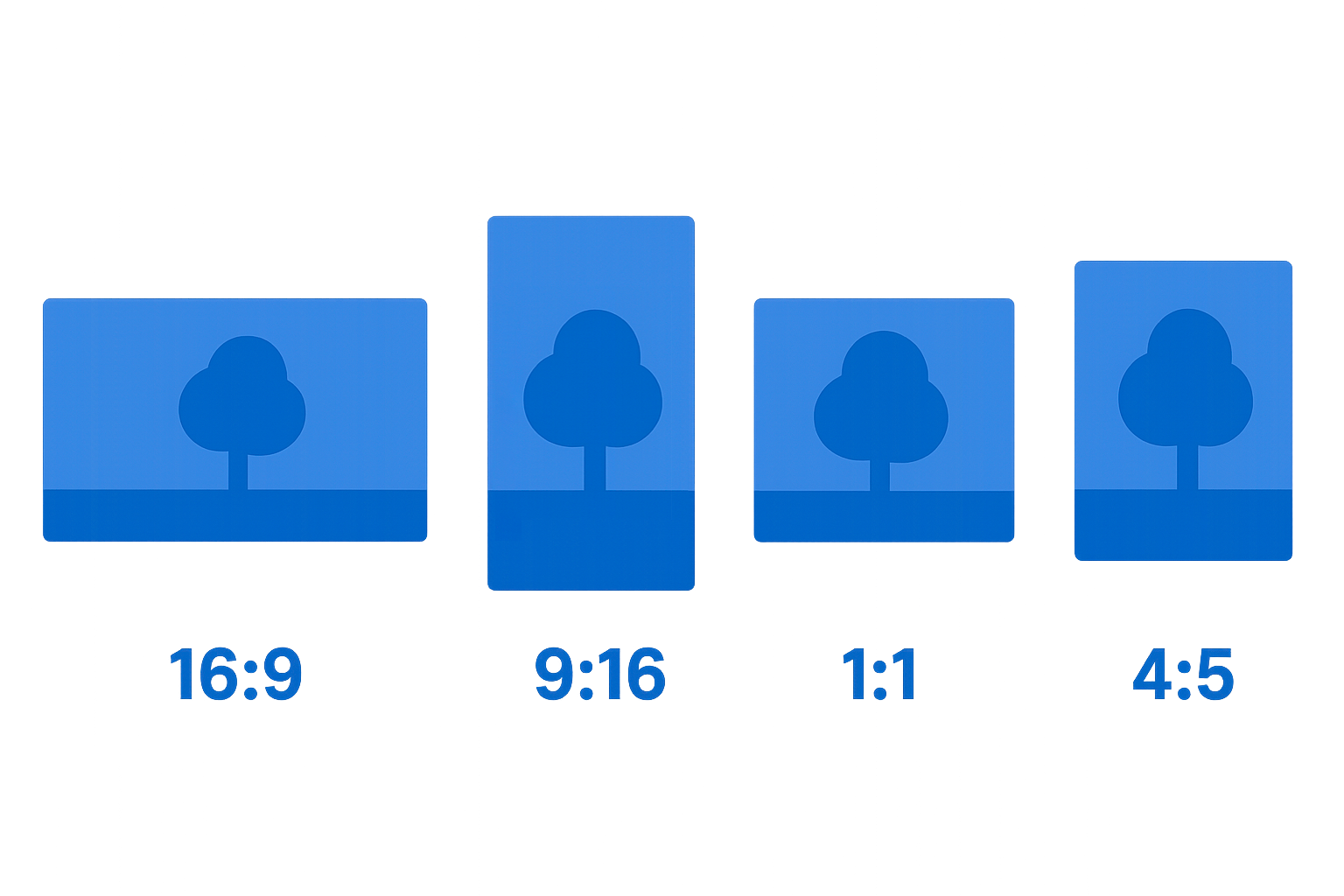
Horizontal (16:9) conveys openness, scale, and connections between elements. Perfect for dialogues, landscapes, or group scenes, this widescreen format allows the viewer to “step inside” and feel the environment.
Vertical (9:16) directs attention to a single subject, pulling the eye up and down. It creates intimacy and a sense of personal contact, making it ideal for portraits and stories that feel close to the viewer.
Square (1:1) works like a visual pause. Balanced and stable, it doesn’t draw the eye in any direction, making it perfect for minimalism, symmetry, or focused detail shots.
Classic Portrait (4:5) resembles a traditional photo print. It provides enough breathing room around the subject while keeping focus on the main element. This format suits images where softness, elegance, and balance are key.
There is no single “best” aspect ratio. The same scene can look and feel very different depending on proportions your choice defines the mood and meaning here and now.
How Aspect Ratios Shape Meaning
The format influences not only composition but also the story you tell through an image:
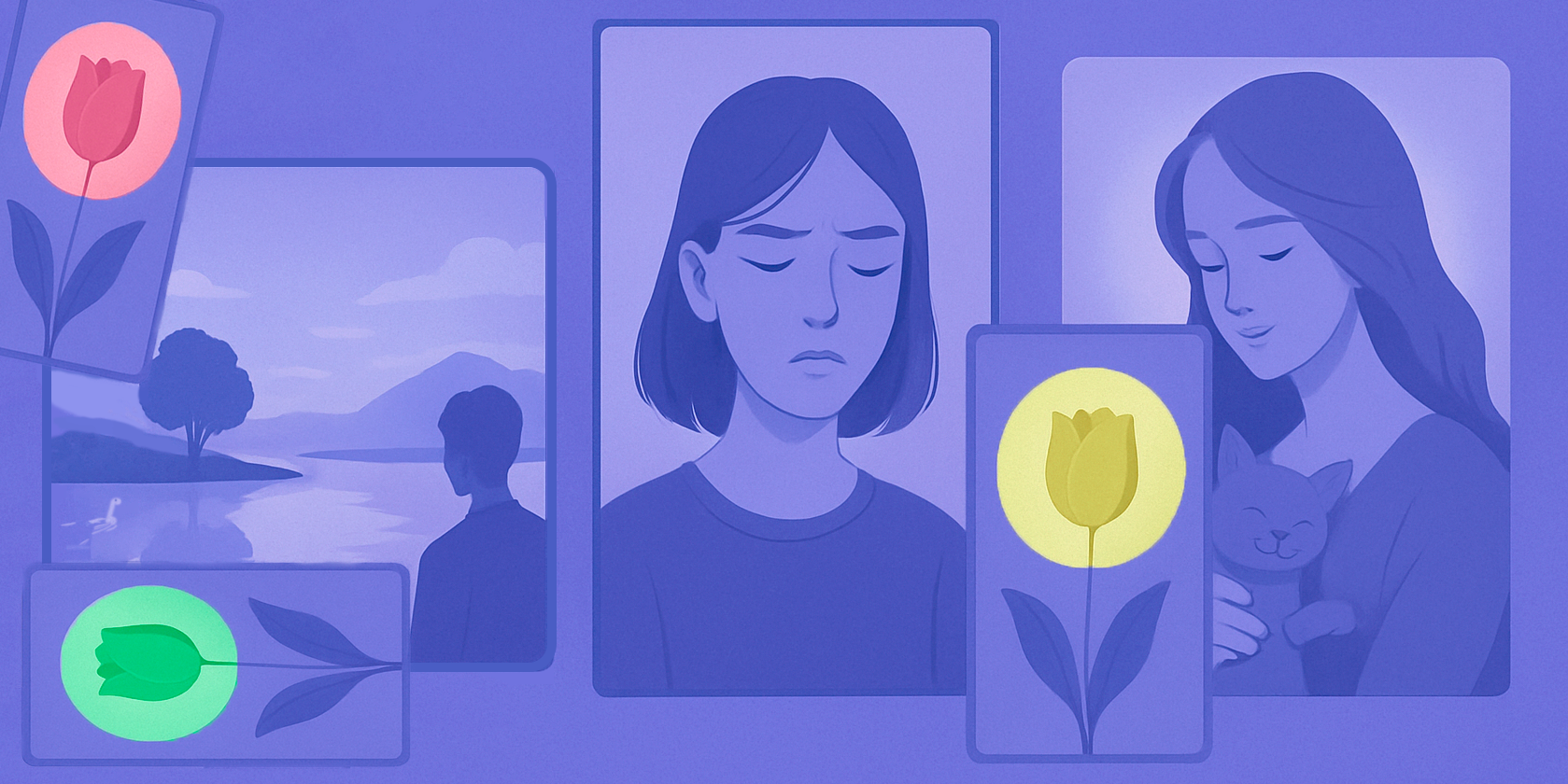
Portraits or single subjects benefit from vertical or square frames, which enhance expression, gaze, and body language.
Landscapes, events, or group shots work better in horizontal format, showing context, dynamics, and connections between people.
Each frame requires its own approach. Even a small shift in aspect ratio or angle can change perception completely. Listen to your frame and to the message you want to deliver.
Choose your aspect ratio based on meaning, not habit. Square for minimalism, vertical for personal stories, horizontal for wide scenes — every option has its place. On Polee, you’re not limited by technical restrictions. Upload images and videos in any aspect ratio, up to 20,000 × 20,000 pixels and 6 GB per file.
This freedom means you can focus on what truly matters: what you want to express through your content, and how best to share it. Polee takes care of the platform so you can concentrate on creativity and monetization.